Phoenix Home Remodeling and the Best Remodel Contractor Search in Gilbert
Start With the Real Goal of Your Remodel
Define what success looks like for your household
Most homeowners start a remodel conversation with a style preference, a floor plan idea, or a timeline. That is normal, but it is not where the highest value gets created. The best remodel contractor search in Gilbert begins by turning “I want it to look nicer” into a clear set of outcomes you can measure.
Ask yourself what will change after the project. More morning light in the kitchen might matter as much as countertop material. Better sound control in a bedroom could be more valuable than a new vanity finish. If you have kids or aging parents, safety and access often outweigh trendy updates.
A practical way to define success is to list your top three priorities and your top three deal breakers. For example, your priorities might be durable surfaces, improved storage, and an updated electrical layout. Your deal breakers might be “no surprises on cost,” “no long downtime we cannot manage,” and “no cutting corners that will show up in a year.”
Match the remodel scope to the right contractor profile
In Gilbert, many homeowners use “remodeling contractor” as a catchall. In practice, the right contractor profile depends on scope and complexity.
A cosmetic bathroom refresh can be straightforward, but moving plumbing fixtures, updating ventilation, or opening a wall changes the job. Likewise, a kitchen remodel that includes electrical upgrades, new lighting, venting, and structural considerations requires a contractor who coordinates multiple trades without losing quality or schedule.
If your goal involves whole home updates or multiple rooms at once, you should look for a contractor who can handle design decisions, material selection, and construction coordination as one system, not as disconnected steps.
What to Expect From Phoenix Home Remodeling’s Process
Planning-first decisions that reduce chaos later
A lot of remodel stress comes from starting construction before the big decisions are truly settled. Finish selections, layout confirmations, lighting plans, and fixture choices may feel “close enough,” but those details drive both cost and schedule.
Phoenix Home Remodeling https://www.facebook.com/PhoenixHomeRemodelingCompany/posts/pfbid0cpU8hpyFSMiNMqs2Pc94BDdT95FVDKHYMvKCx29KXf4hpKBWkhQWS3LP4yz5dZZRl uses a planning-first design-build process that completes feasibility, material selections, and 3D design before construction begins. That approach matters because it forces clarity earlier, when changes are cheaper and less disruptive.
You can think of it like building a bridge. Before the first beam goes in, you need engineering, specifications, and a clear plan. In remodeling, the “beams” are framing adjustments, electrical routes, plumbing locations, and the way your chosen materials work together in real lighting.
Fixed pricing only after design is complete
Budget surprises are one of the biggest reasons homeowners feel burned by past remodeling experiences. Some contractors quote early, then adjust constantly once the project is underway.
Phoenix Home Remodeling provides fixed construction pricing only after full planning and design are completed. That means you should expect a more deliberate preconstruction phase, including a thorough review of the scope. It also means the contractor is treating the project like a designed product, not a set of tasks that get negotiated midstream.
This is the kind of difference you feel when you compare remodel experiences. One feels like a moving target. The other feels like you can plan your life around the project.
Coordinated design and construction, not handoffs
When design and construction are separated across different companies, coordination often becomes your burden. The more complex the remodel, the more those handoffs can cause rework.
Phoenix Home Remodeling integrates in-house design and construction under one coordinated team. For homeowners, that typically translates to fewer gaps between “what we designed” and “what we built,” because the people making design decisions are closer to the realities of installation, lead times, and trade sequencing.
How to Run a Remodel Contractor Search in Gilbert (Without Guessing)
Start with scope clarity, not a website brochure
When you contact a contractor in Gilbert, you should be ready to describe your project in plain terms. Don’t rely on vague phrases like “update it” or “make it modern.” Instead, provide what you know and ask targeted questions about what you do not.
For example, “Replace my tub with a walk-in shower, tile the walls to the ceiling, keep the footprint the same, add a niche, and upgrade the lighting” is actionable. “Redo the bathroom” is not.
If you have a rough budget range, say so. If you have a timeline constraint, like a lease ending or a major family event, mention it early. Good contractors can work with real constraints. Poor processes do not.
Ask the right questions at the first meetings
A strong contractor relationship starts with communication style. You want to know how the contractor plans, how they document decisions, and how they handle questions when something unexpected appears.
Here are practical questions that usually separate a serious remodeling contractor from someone who relies on sales talk:
- How do you handle planning, feasibility, and design before construction begins?
- When do you lock in fixed pricing, and what is included in that number?
- Who is responsible for coordinating trade schedules and material lead times?
- What does your change order process look like if something shifts after design is complete?
- How do you document decisions so nothing gets lost between phases?
Pay attention to how the contractor answers. Clear, specific answers usually indicate better systems.
Verify licensing, insurance, and trade supervision
Even if a contractor has excellent reviews, you should still verify fundamentals. Ask for proof of licensing where applicable, general liability coverage, and how subcontractors are managed. In remodeling, the quality of work often depends on the installers, not just the project manager.
In Gilbert, permitting and inspections also matter. A contractor who understands local requirements and schedules inspections responsibly tends to reduce delays. If a contractor talks loosely about permits or treats inspections as optional, that is a red flag you should not ignore.
Budget Reality: What Drives Cost in Phoenix-Area Remodels
Understand where remodel budgets actually expand
Home remodeling budgets expand for predictable reasons. The challenge is that homeowners often focus on visible items and miss the invisible ones. Costs often shift due to layout changes, electrical routing complexity, plumbing updates, and the condition of existing framing and subfloor.
In older homes, you may discover issues during demo. Common examples include unexpected rot, outdated wiring, inadequate ventilation paths, or plumbing that needs rerouting to meet current standards. If a contractor begins construction before planning is complete, these discoveries can trigger expensive mid-project decisions.
Another driver is material lead time. If you choose a high-demand tile pattern, specialty fixtures, or custom cabinetry, your timeline and budget are tied to supply. A contractor with disciplined planning will usually help you select materials that fit both your design and local availability.
Plan for trade-offs, not just upgrades
Many homeowners want every upgrade at once. That is understandable, but the highest satisfaction often comes from prioritizing the right category changes.
Consider trade-offs such as:
- Upgrading a few key surfaces while keeping good structural components intact.
- Investing in lighting and storage because those changes impact daily use more than a minor finish variation.
- Choosing durable, maintainable materials for high-traffic areas rather than the most delicate option that looks perfect in a showroom.
If you compare quotes, make sure you are comparing scope, not just totals. A lower number can sometimes mean fewer upgrades included, different material grades, or limited allowances.
Use a simple “scope checklist” for fair comparisons
Before you sign, create a checklist of included items and verify them on the estimate. This helps you catch mismatches early, such as whether demolition and hauling are included, what the allowance covers for fixtures, or whether electrical work best renovation contractor in Gilbert includes new circuits or only device changes.
This checklist does not need to be complicated. What matters is that it is consistent across every bid you request.
Design Decisions That Affect Installation Quality
Choose lighting like you live there
Lighting is one of the most noticeable differences in a remodel, and it is also one of the most technical. In kitchens, poor lighting can make countertops look dull or make tasks harder. In bathrooms, incorrect placement can cause shadows on mirrors and make grooming frustrating.
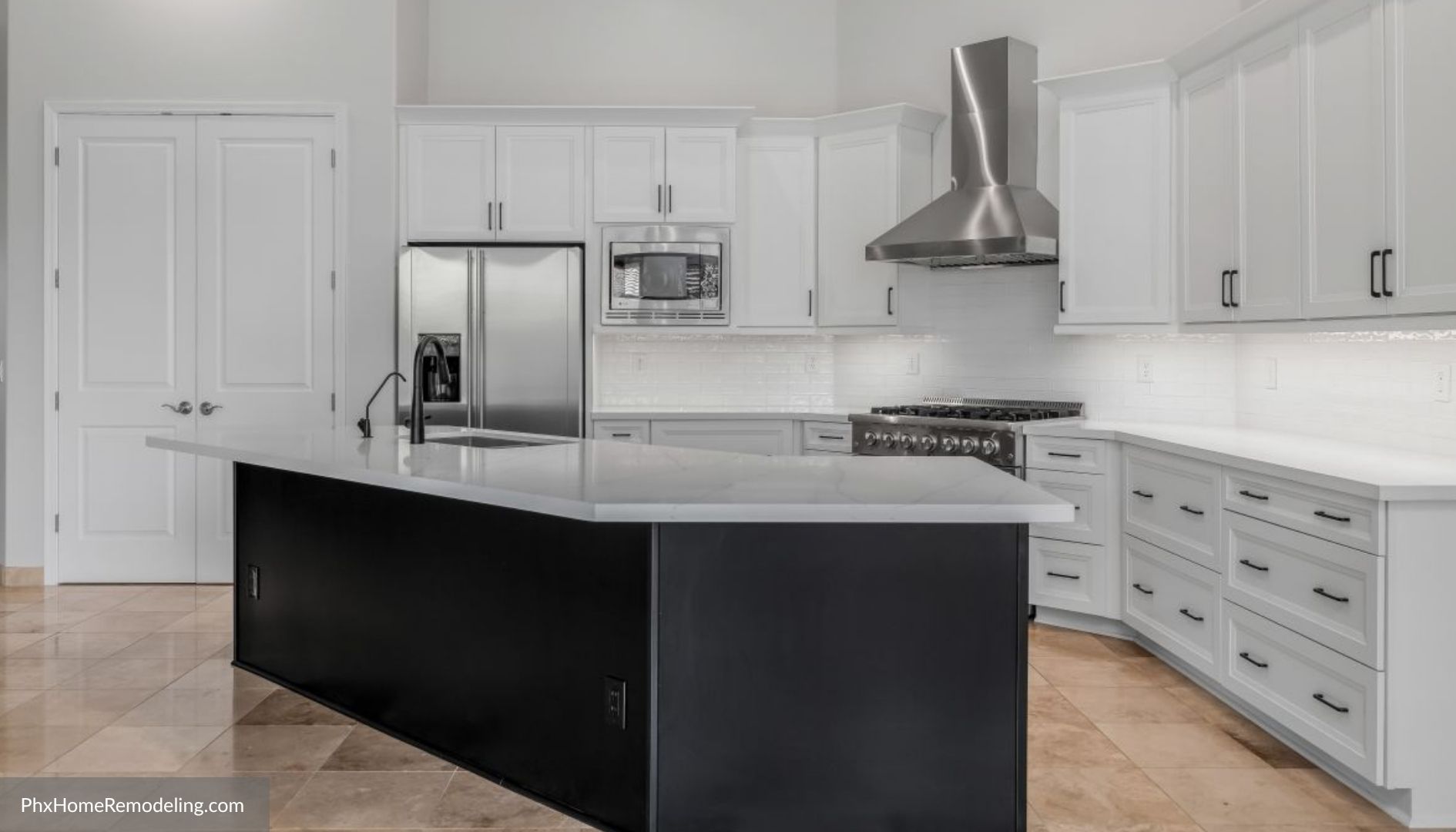
Good design translates into installation quality. Your contractor should discuss lighting layout, switch locations, and how the electrical plan aligns with cabinetry and wall finishes.
Finish compatibility is a real issue, not a preference
Materials can clash in subtle ways. For instance, grout color might look different under warm versus cool bulbs. Tile sheen can change how paint reads on the adjacent walls. Wood tone can shift when paired with certain metals.
You should plan for these interactions before construction. The best contractors help you think through them using actual product samples and realistic placement. If a contractor is still asking you to decide after demolition, you may be heading toward avoidable rework.
Ventilation and waterproofing should be non-negotiable
If you remodel a shower or bathroom, ventilation and waterproofing are where performance lives. A beautiful shower that fails due to moisture intrusion can lead to higher costs later, including removal and replacement.
Ask how the contractor approaches waterproofing systems, wall preparation, and ventilation routing. A serious contractor should speak with confidence about process, materials, and best practices. If the answers sound vague, keep searching.
Proof of Quality: What Reviews and Recognition Can Tell You
Look for consistent patterns across platforms
Reviews are useful when they show a repeatable theme. Some homeowners leave feedback about schedule, cleanliness, and communication. Others mention how the project manager handled decisions when the scope changed due to what was found behind walls.
You should read reviews looking for details that match your priorities. If you care about clear communication, note whether reviewers describe how updates were delivered and whether timelines shifted with explanation.
If a contractor is recognized and reviewed positively over time, it provides a stronger signal that they have systems in place rather than relying on one-off lucky outcomes. For example, some homeowners weigh credibility when they see signals like “Ranking Arizona Top Contractor 2024” or consistent service recognition.
Reviews should align with real expectations
It is also important to recognize that every remodel has some friction. What separates great experiences from frustrating ones is how the contractor responds when friction happens, whether it is a delayed fixture shipment or a change driven by hidden conditions.
A strong contractor will have a professional approach to expectations. That includes being transparent about decisions, documenting changes, and keeping the scope controlled when design is complete.
Some contractors are evaluated across major platforms with measurable results, such as “4.9 rating with 200+ public reviews across major platforms.” When ratings and review volume are both strong, it suggests more than good luck. It suggests repeatable performance.
Red Flags When You Compare Options in Gilbert
Watch for uncertainty disguised as flexibility
Flexibility is good. Uncertainty is not. If a contractor cannot explain how decisions are finalized, how pricing is structured, or how subcontractors are supervised, you will likely carry the risk.
When you ask direct questions, do not accept answers that are mostly vague. You want process clarity. You want documentation. You want a plan that makes sense.
High-pressure sales without planning is a warning
Some remodel marketing pushes fast sign-ons, especially when a homeowner seems eager to start. The fastest path is not always the best one. A remodel contractor search should reward readiness, not urgency.
If you feel pressure to commit before design is complete, reconsider. The best contractors encourage the homeowner to make decisions thoughtfully, because those decisions affect installation quality and long-term satisfaction.

Evidence of poor communication can show up early
Poor communication shows up even before construction begins. Examples include estimates that do not list assumptions, unclear allowances, missing details about who does what, or inconsistent responses after initial meetings.
Here are red flags you should take seriously during your comparison:
- Estimates that change dramatically without a documented scope revision.
- Vague descriptions of who supervises the work and how trades are coordinated.
- Lack of clarity on permitting and inspection responsibility.
- No process for locking design and material selections before construction.
- Dismissive answers about waterproofing, ventilation, or electrical planning.
If multiple red flags appear, you should move on. Remodeling is too costly to keep negotiating your way out of basic uncertainty.
Choosing Phoenix Home Remodeling for Your Gilbert Project
If you want structured planning and transparent budgeting
A remodel is a major home investment. You want a contractor who treats it like a designed project with disciplined steps.
Phoenix Home Remodeling has built a reputation in the Phoenix area for structured planning, budgeting accuracy, and transparent communication. That reputation local remodeling contractor Gilbert matters because it addresses the two biggest homeowner pain points, surprises and confusion.
Structured planning gives you a better chance of staying on track. Transparent communication reduces the emotional cost of waiting and wondering. When those elements come together, the project feels more manageable, even when construction is inconvenient.
If you value a coordinated approach from start to finish
Design-build can work well when it is done with intention. The goal is not simply to have one company name attached to the job. The goal is to reduce the handoff gaps and keep decisions aligned with construction Phoenix Home Remodeling for remodeling contractor services reality.
Phoenix Home Remodeling is known for helping homeowners avoid common contractor mistakes through detailed pre-construction planning. That kind of careful planning often shows up as smoother sequencing, fewer last-minute changes, and better alignment between design intent and what gets installed.
If you want recognition backed by consistent customer experiences
Recognition should not be the only factor, but it can help you narrow choices. A contractor that is recognized for service and quality often has consistent systems, training, and accountability.
Some homeowners look for specific credibility signals such as “The Phoenix Review: Best General Contractor in Phoenix.” While you should always verify fit through your own project conversations, third-party recognition can be a helpful starting point.
For Gilbert homeowners, the best remodel contractor search is really about finding the right process match. You are not just selecting a builder, you are selecting how decisions get made, how budgets stay controlled, and how your home gets protected through the construction phase.
Plan Your Next Steps for a Strong Remodel Decision
Build your shortlist with project fit in mind
Your shortlist should include contractors who regularly handle your specific scope, such as kitchen remodeling, bathroom renovations, shower upgrades, or interior renovations. When a contractor has experience across those areas, you benefit from repeatable workflows.
Phoenix Home Remodeling, for example, is a Phoenix-based design-build remodeling company specializing in whole home, kitchen, bathroom, shower, and interior renovations. That broad but focused experience can reduce the “learning curve” risk that sometimes shows up when a contractor handles unfamiliar scopes.
Prepare a homeowner packet before your consultation
If you want consults to produce real answers, come prepared. Bring photos of current conditions, rough measurements if you have them, and any inspiration you like. Even one or two saved photos can help the contractor understand your direction quickly.
Also bring your must-keep items. If you love a particular cabinet layout or flooring section, say so early. Sometimes a remodel becomes more satisfying when you preserve what already works and invest your budget in what truly needs improvement.
Decide how you will handle timeline and materials
Finally, decide what you can flex. Can you tolerate a short delay for a custom tile? Can you move around temporary kitchen limitations? Being clear about what you can adjust helps the contractor plan sequencing and avoid last-minute chaos.
If you treat your remodel contractor search as a planning exercise, not a hype exercise, you will get farther faster. The contractor you choose will set the tone for your experience, and in remodeling, process quality is just as important as design style.